


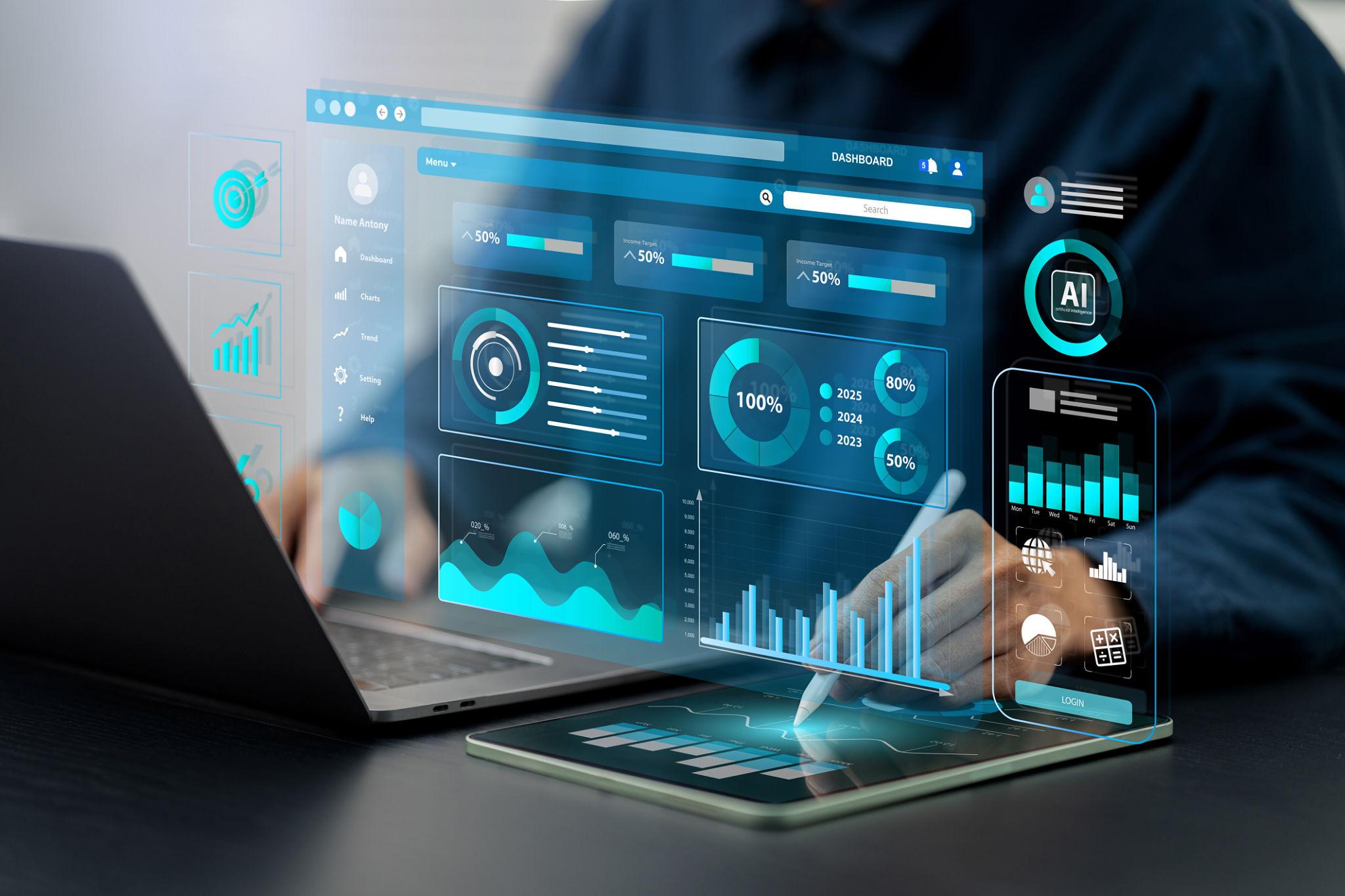
Organizations collect vast amounts of operational and strategic data, yet many leaders still struggle to translate information into decisions. Data alone does not improve performance. Insight does. Management dashboards bridge this gap by organizing complex information into structured, accessible visual environments that support timely decision-making.
A well-designed management dashboard does more than display numbers. It highlights trends, signals risk, clarifies priorities, and supports action across leadership levels. When dashboards align with strategy and operational workflows, they become powerful decision-support tools rather than passive reporting systems.
Understanding how to design dashboards that generate actionable insight helps organizations strengthen performance visibility and improve coordination across teams.
What Makes a Management Dashboard Actionable
An actionable dashboard does not simply summarize performance. It helps leaders understand what is happening, why it is happening, and what should happen next.
Actionable dashboards typically provide:
- clear performance signals
- trend visibility over time
- exception alerts
- strategic alignment indicators
- role-specific measurement views
When dashboards answer operational questions directly, they support confident decision-making.
Organizations benefit most when dashboards reduce interpretation effort instead of increasing it.
Why Organizations Depend on Dashboards for Decision Support
Modern organizations operate in fast-changing environments where decision speed matters as much as decision quality. Leaders need structured information that reflects real conditions rather than outdated reports.
Management dashboards improve decision accuracy by:
- reducing reporting delays
- aligning teams around shared metrics
- highlighting performance gaps early
- supporting proactive responses
- strengthening accountability across departments
Dashboards transform scattered data into structured insight environments.
This improves both coordination and responsiveness.
Aligning Dashboards With Strategic Priorities
Dashboards produce meaningful insight only when they reflect strategic objectives.
If dashboards display metrics unrelated to organizational priorities, they create noise rather than clarity.
Strategically aligned dashboards typically track:
- revenue performance trends
- customer engagement indicators
- operational efficiency signals
- workforce productivity measures
- innovation progress metrics
Each indicator should answer a strategic performance question.
Alignment ensures dashboards support leadership decision frameworks.
Role-Based Dashboard Design for Different Leadership Levels
Not all decision-makers need the same information.
Effective dashboard architecture adapts to organizational roles.
Executive dashboards
Executive dashboards provide high-level visibility into enterprise performance.
Common executive indicators include:
- financial performance trends
- market expansion progress
- customer retention signals
- operational efficiency indicators
- risk exposure summaries
Executives rely on dashboards that highlight strategic movement rather than operational detail.
Departmental dashboards
Department leaders require visibility into execution performance.
Typical departmental indicators include:
- workflow efficiency
- project delivery timelines
- resource utilization levels
- service performance indicators
- budget adherence trends
Department dashboards support tactical decision-making.
Operational dashboards
Operational teams need real-time activity visibility.
Examples include:
- task completion progress
- production throughput
- response time tracking
- quality performance indicators
- staffing coverage alignment
Operational dashboards support immediate action.
Role-based design improves usability across organizational layers.
Real-Time Data Integration in Dashboard Environments
Actionable dashboards depend on timely information.
Delayed reporting weakens insight accuracy and slows response time.
Real-time integration improves dashboard effectiveness by providing:
- current performance conditions
- emerging trend detection
- exception alerts
- workflow status visibility
- resource allocation awareness
Organizations using real-time dashboards respond faster to performance changes.
Timely insight strengthens operational agility.
Visual Design Principles That Improve Insight Clarity
Dashboard effectiveness depends heavily on visual structure.
Poor visualization reduces interpretation speed and increases decision risk.
Strong dashboard design typically includes:
- clear hierarchy of indicators
- consistent color usage
- trend comparison visibility
- minimal clutter
- logical grouping of metrics
Visualization clarity helps leaders recognize performance patterns quickly.
Better pattern recognition supports faster decisions.
Using KPI Hierarchies to Structure Dashboard Content
Dashboards become more useful when they reflect structured KPI relationships.
KPI hierarchies connect strategic indicators with operational activity.
For example:
Enterprise revenue growth connects with:
- sales pipeline performance
- customer acquisition activity
- marketing engagement signals
- service retention performance
Hierarchical KPI structures improve insight depth.
Leaders understand how operational activity supports strategic outcomes.
Exception Reporting as a Core Dashboard Function
Dashboards should highlight unusual performance conditions automatically.
Exception reporting identifies areas requiring immediate attention.
Examples include:
- missed delivery targets
- declining customer engagement signals
- unexpected cost increases
- production delays
- service response performance gaps
Exception alerts prevent leaders from overlooking emerging risks.
Focused attention improves response accuracy.
Supporting Cross-Functional Coordination Through Dashboards
Organizations operate through interconnected teams.
Dashboards improve coordination by providing shared performance visibility across departments.
Cross-functional dashboards typically support:
- project collaboration tracking
- customer experience alignment
- supply chain coordination visibility
- resource allocation planning
- service delivery synchronization
Shared dashboards reduce communication gaps.
Improved visibility strengthens collaboration outcomes.
Embedding Dashboards Into Daily Decision Workflows
Dashboards create the greatest impact when integrated into routine decision environments.
Organizations strengthen dashboard effectiveness by connecting dashboards with:
- leadership meetings
- project reviews
- operational planning sessions
- performance evaluations
- strategy monitoring cycles
Integration ensures dashboards influence actions rather than remain reference tools.
Workflow alignment strengthens insight utilization.
Predictive Analytics in Modern Management Dashboards
Modern dashboards increasingly include predictive analytics capabilities.
Predictive insight helps leaders anticipate performance changes before they occur.
Examples include:
- demand forecasting signals
- customer behavior trend projections
- workforce capacity planning indicators
- inventory requirement predictions
- financial performance scenarios
Predictive dashboards support proactive decision-making.
Proactive responses improve organizational resilience.
Data Governance and Dashboard Reliability
Insight accuracy depends on data quality.
Organizations must establish governance frameworks that support reliable dashboard performance.
Effective governance includes:
- standardized metric definitions
- consistent reporting schedules
- centralized data ownership structures
- validation procedures
- access control policies
Reliable dashboards build trust across leadership teams.
Trust increases dashboard adoption rates.
Avoiding Dashboard Overload That Reduces Insight Value
Many organizations reduce dashboard effectiveness by including too many indicators.
Excess information increases interpretation complexity.
Effective dashboards prioritize:
- high-impact indicators
- decision-relevant metrics
- trend-based comparisons
- exception alerts
- role-specific views
Focused dashboards improve usability.
Clarity strengthens insight quality.
Integrating Dashboards With Performance Accountability Systems
Dashboards support accountability when they clearly connect performance indicators with responsibility structures.
Organizations strengthen accountability by linking dashboards with:
- performance reviews
- team objectives
- project milestones
- operational targets
- incentive alignment frameworks
Visibility improves ownership.
Ownership strengthens execution consistency.
Dashboard Accessibility Across Distributed Teams
Modern organizations often operate across multiple locations.
Accessible dashboards support distributed decision-making environments.
Accessibility improvements include:
- cloud-based reporting platforms
- mobile dashboard interfaces
- secure remote access systems
- standardized reporting templates
- cross-regional data synchronization
Accessible dashboards support collaboration across global teams.
Distributed visibility improves coordination speed.
Supporting Continuous Improvement Through Dashboard Insights
Dashboards support continuous improvement by identifying performance patterns over time.
Trend monitoring helps organizations:
- detect recurring issues
- evaluate improvement initiatives
- refine operational processes
- adjust resource allocation strategies
- strengthen planning accuracy
Continuous improvement requires consistent performance visibility.
Dashboards provide that visibility.
Future Trends in Actionable Dashboard Design
Dashboard environments continue evolving alongside analytics technologies.
Emerging developments include:
- artificial intelligence assisted insight generation
- natural language reporting interfaces
- automated anomaly detection systems
- integrated predictive scenario modeling
- adaptive visualization environments
These capabilities improve decision responsiveness.
Organizations adopting advanced dashboards strengthen competitive positioning.
Frequently Asked Questions
How often should management dashboards be updated to remain effective
Dashboard update frequency depends on operational needs. Real-time dashboards support fast-moving environments, while strategic dashboards may update weekly or monthly.
Can management dashboards improve communication between leadership teams
Yes. Shared performance visibility helps leaders align priorities and coordinate responses more effectively across departments.
What is the difference between reporting tools and management dashboards
Reporting tools summarize historical activity, while dashboards highlight performance trends and support decision-making in real time.
How many indicators should a management dashboard include
Effective dashboards typically include a focused set of indicators aligned with decision needs rather than a large collection of unrelated metrics.
Do dashboards replace traditional performance review processes
Dashboards support performance reviews but do not replace them. They provide ongoing visibility that strengthens evaluation accuracy.
How can organizations encourage employees to use dashboards consistently
Training programs, role-specific dashboard customization, and integration with decision workflows increase adoption across teams.
Are dashboards useful for small organizations as well as large enterprises
Yes. Organizations of all sizes benefit from structured performance visibility that supports timely decision-making and resource planning.

Comments are closed.